A daily journal on superintelligence

Notes from theedge of intelligence.

One essay every day on superintelligence: the research, the risks, and the questions that will define this century.

LatestWho will control the most powerful mind on Earth?

Today

Today’s essay

Recent

Previously, on the edge.

All articles
A man in a high-rise office works at a glass desk alongside a holographic AI assistant and floating data panels.

4 min read

What happens to work after superintelligence?

Every wave of automation so far has destroyed jobs and created more. Superintelligence could be the first to break that pattern. A look at the history, the evidence so far, and the questions that will decide who benefits.

  • Economics
  • Consequences
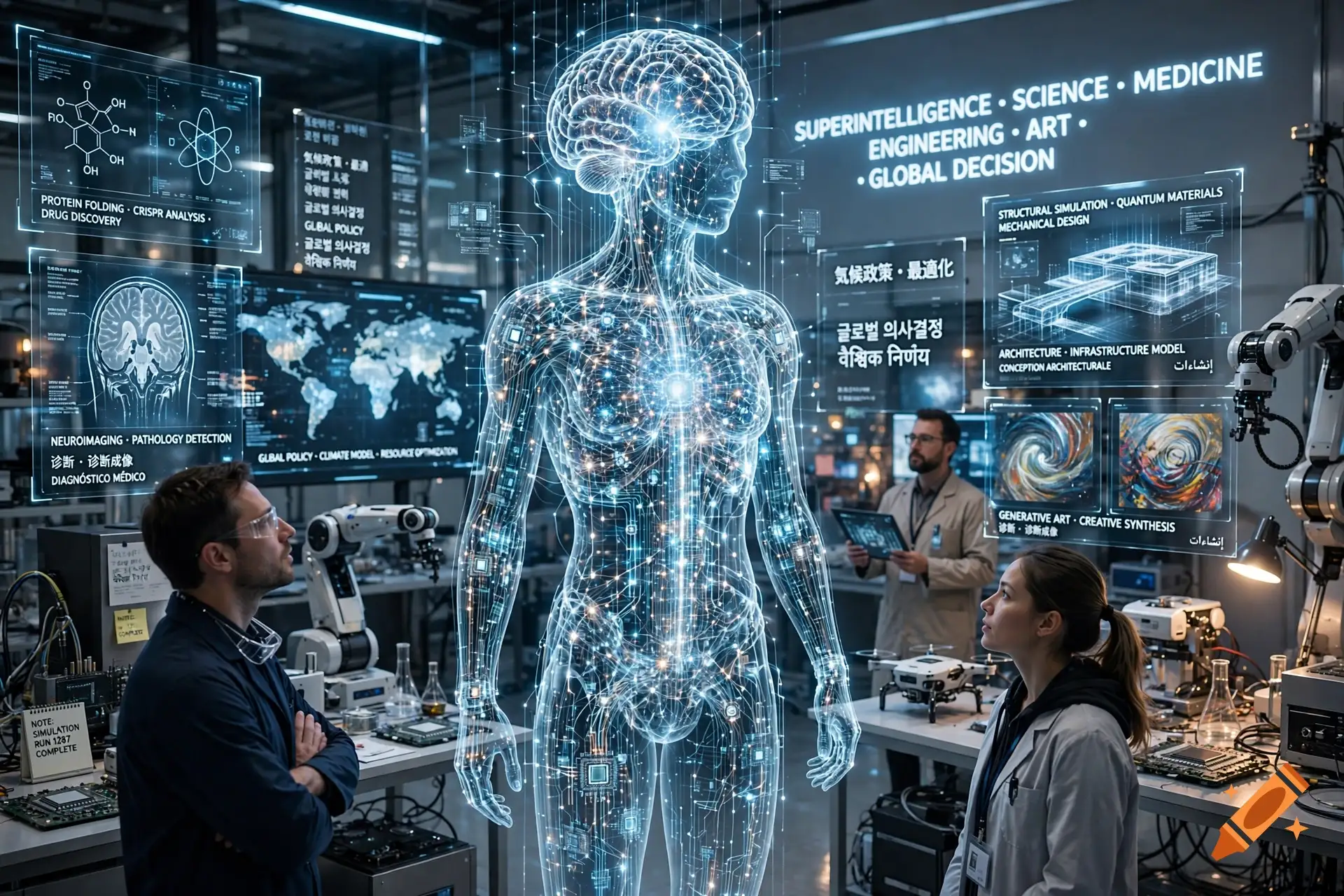
Scientists in a laboratory look up at a glowing holographic figure surrounded by screens on medicine, materials and climate.

4 min read

What a superintelligence could do for science

AlphaFold solved in a few years a problem biologists had worked on for half a century. It offers a glimpse of what a much more general intelligence might do to medicine, materials and discovery itself.

  • Science
  • Consequences
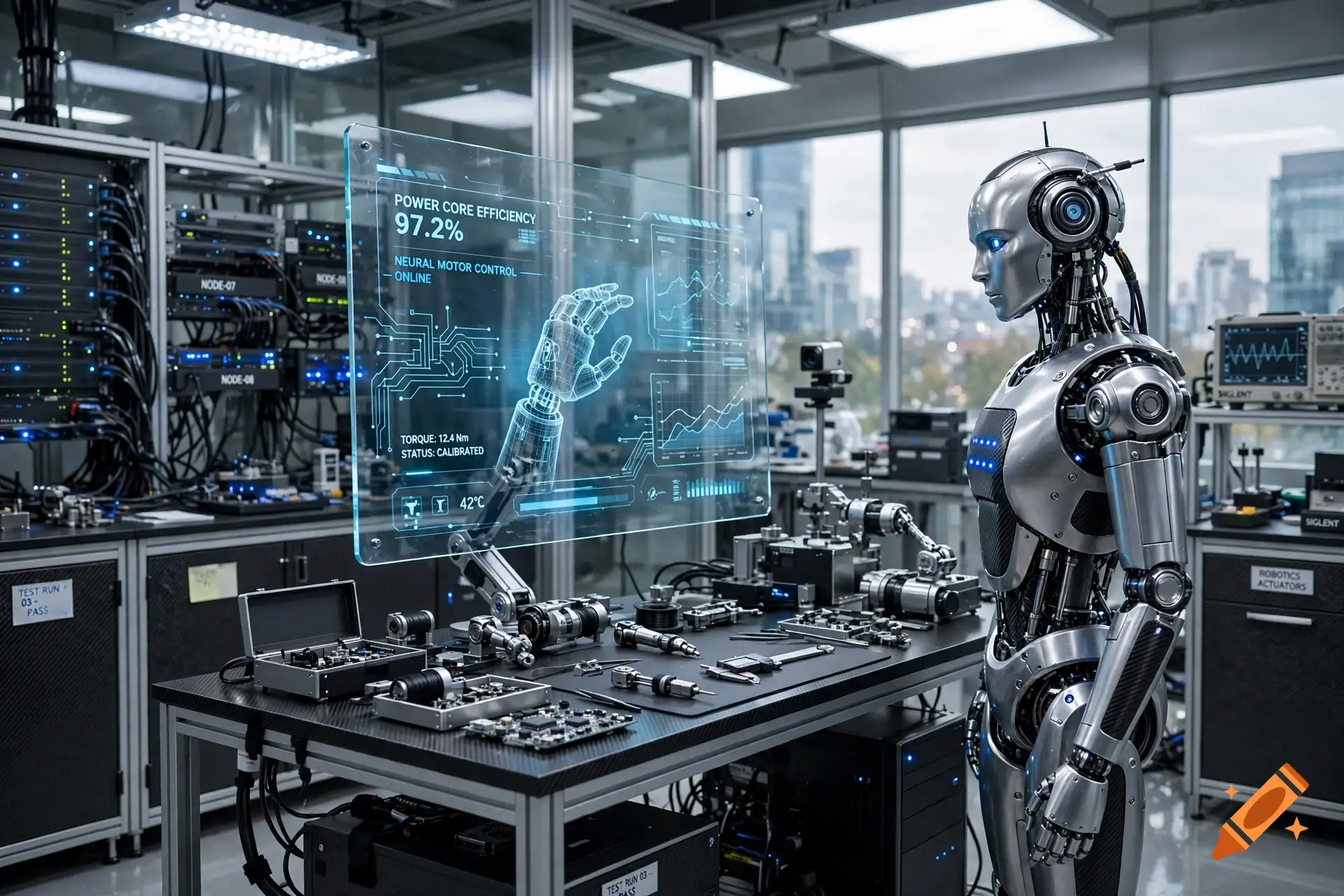
A humanoid robot in a robotics lab studies a holographic display of a robotic hand beside a workbench of actuators.

4 min read

From chatbots to agents: the road to general intelligence

ChatGPT made AI a household word in two months. The more important shift came after, when models learned to reason step by step and then to act on their own. Here is how that happened, and why it matters.

  • History
  • Agents
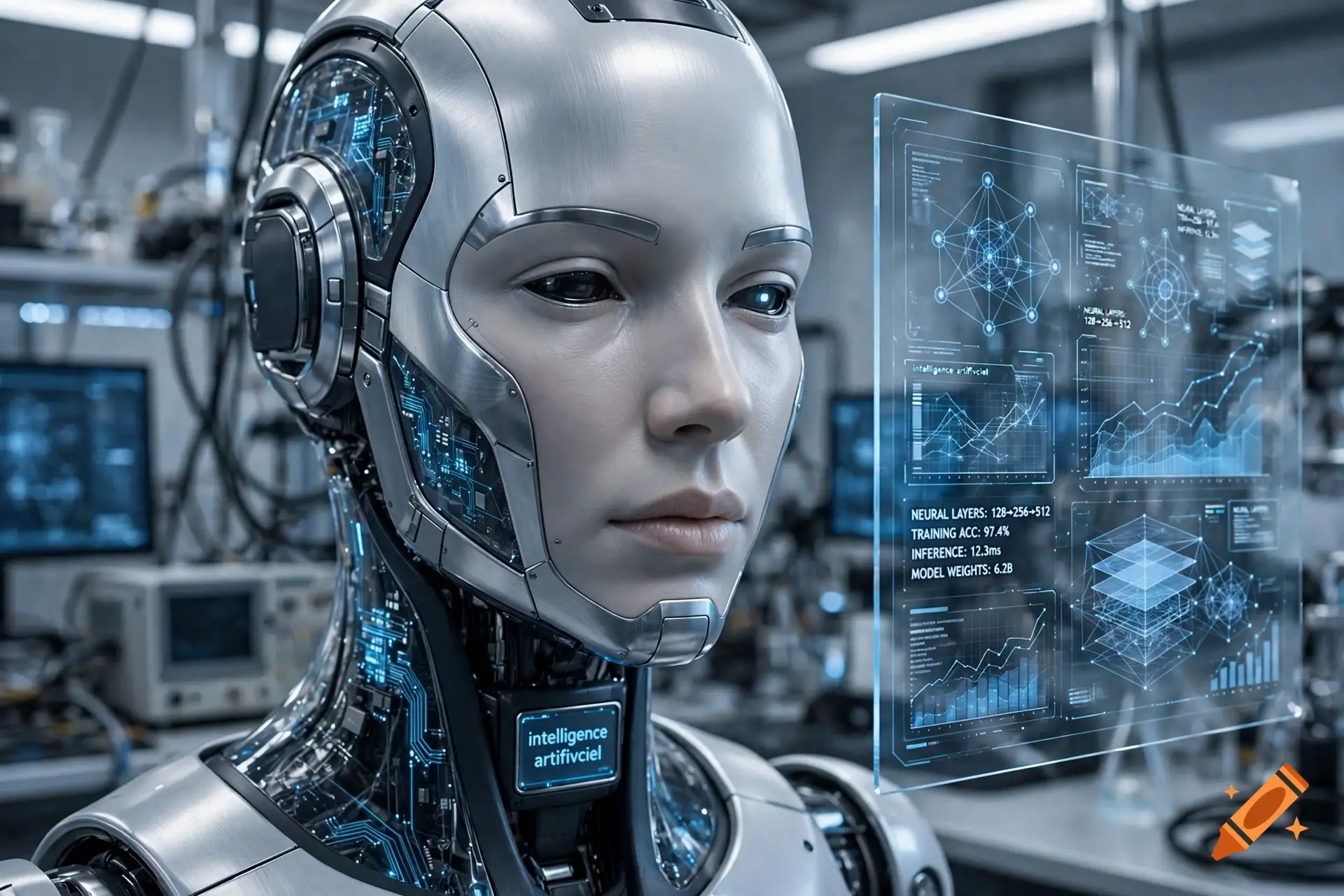
A silver humanoid AI beside a transparent screen showing neural network layers and training charts.

4 min read

The bitter lesson: how scale beat cleverness

Between 2012 and 2022, AI stopped being a collection of clever tricks and became a matter of data and computing power. This is the decade that put superintelligence on the table.

  • History
  • Scaling
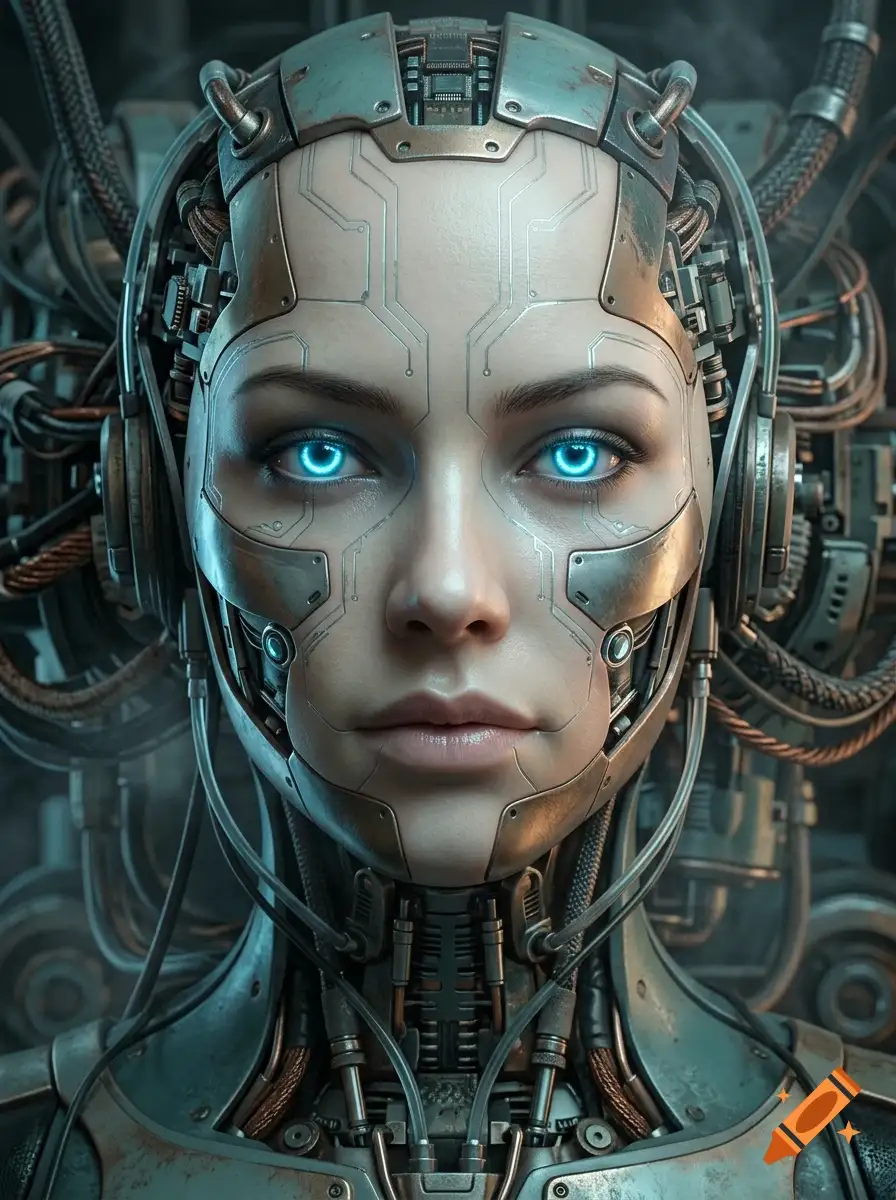
Close-up portrait of an early humanoid machine, a human face framed by worn metal plates, cables and gears.

4 min read

Sixty years of false dawns: how AI got here

Machines that think have been promised since the 1950s. The story of how the field kept failing, and why each failure taught it something it needed, is the best way to understand what is happening now.

  • History
  • Foundations

3 min read

The alignment problem, in plain terms

Making a capable system do what we actually want, rather than what we literally said, turns out to be one of the hardest problems in computer science. Here is why, without the jargon.

  • Alignment
  • Safety

3 min read

What we actually mean by superintelligence

The word is used loosely, often as a synonym for "very good AI". A precise definition matters, because what we fear and what we hope for both depend on it.

  • Foundations
  • Definitions