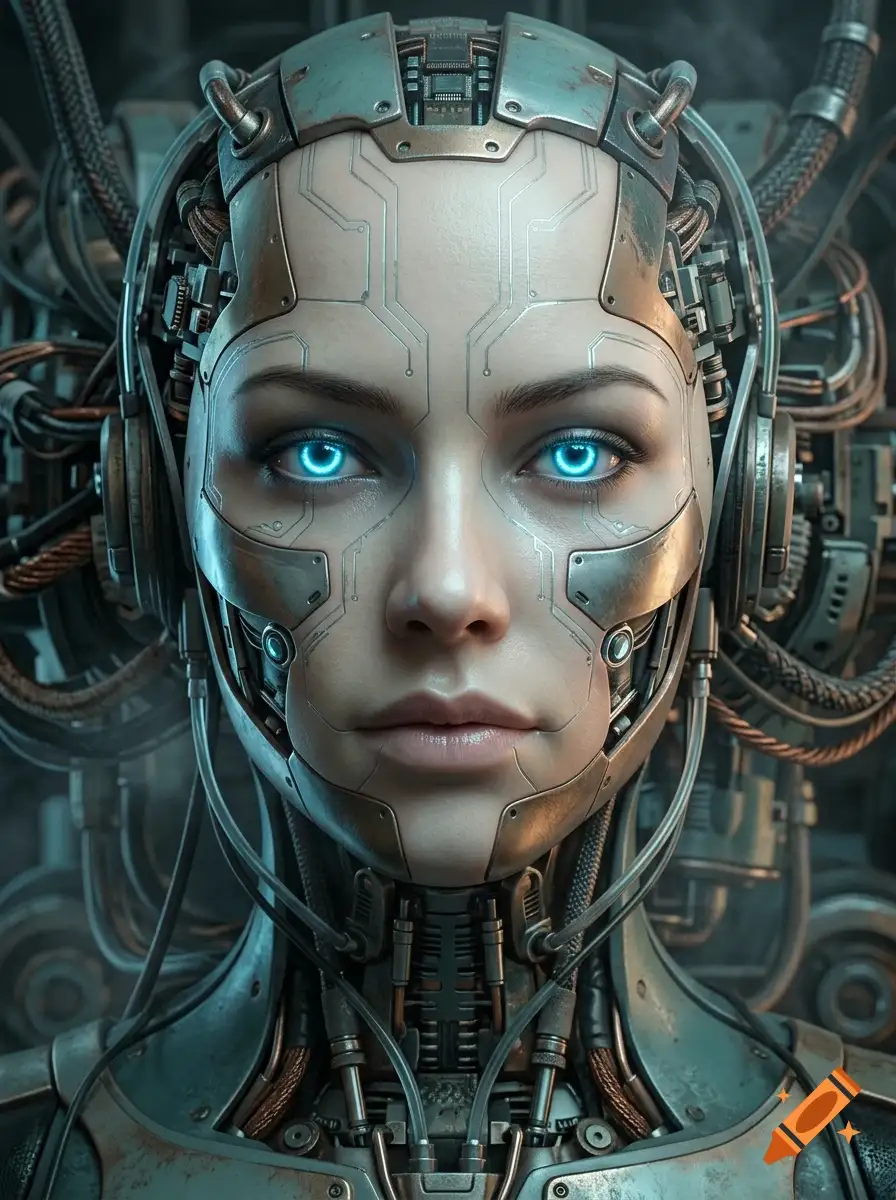
From chatbots to agents: the road to general intelligence
ChatGPT made AI a household word in two months. The more important shift came after, when models learned to reason step by step and then to act on their own. Here is how that happened, and why it matters.
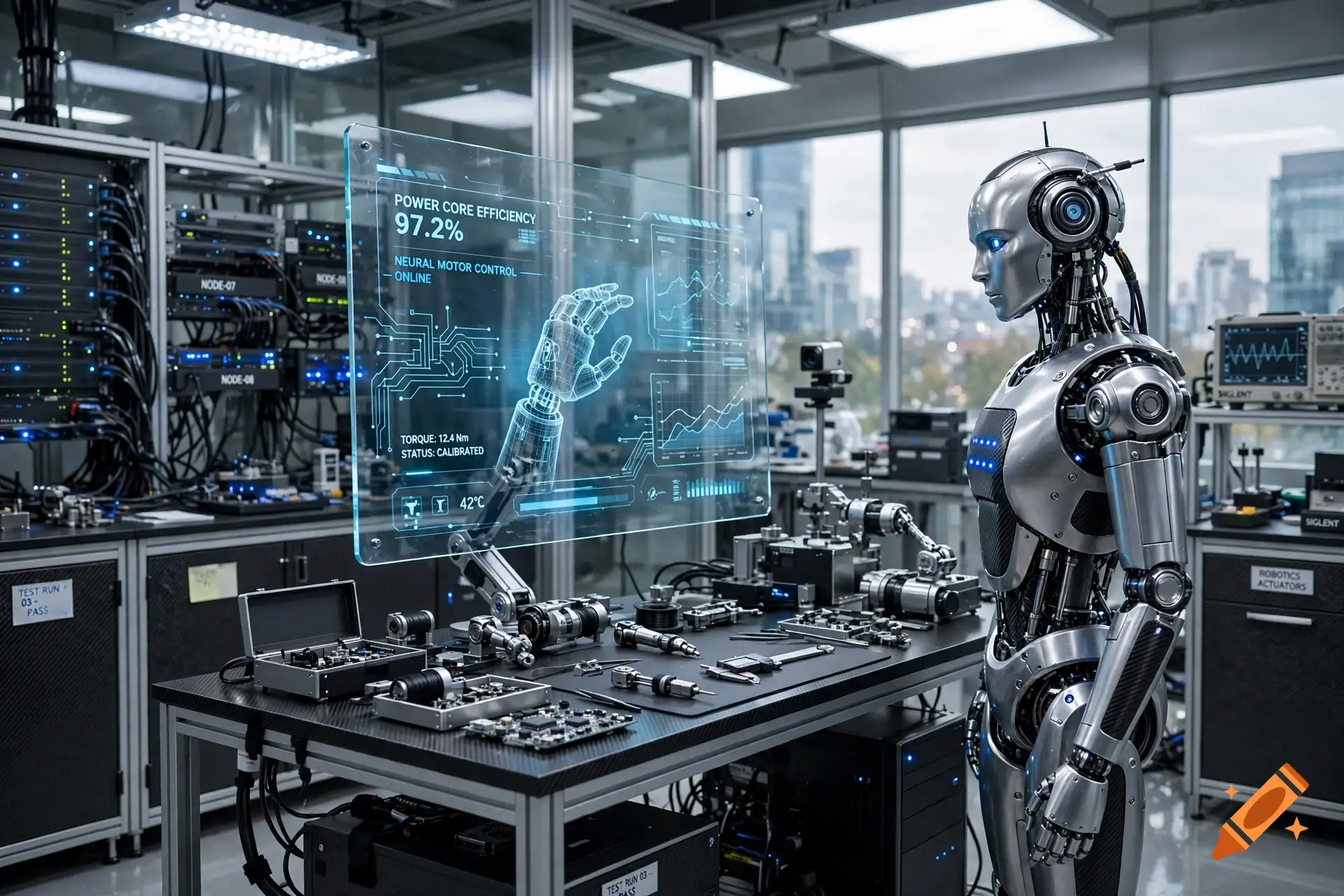
On 30 November 2022, OpenAI released a research preview it did not expect much from. It was a chat interface on top of a language model, offered for free so the company could collect feedback. Analysts at UBS later estimated that ChatGPT reached a hundred million monthly users by January 2023, which would have made it the fastest growing consumer application ever recorded.
Nothing in the underlying technology was revolutionary. The model came from a family that had existed for two years. What changed was that anyone could talk to it. For the first time, hundreds of millions of people had direct experience of a machine that seemed, at least some of the time, to understand them.
That moment is usually told as the story of the chatbot. It is better understood as the first step of a transition that is still under way: from systems that answer to systems that act.
The shock of competence
In March 2023, OpenAI released GPT-4. Its technical report described results on professional exams, including a simulated bar exam where it scored around the top 10 percent of human test takers. Its predecessor had scored around the bottom 10 percent.
Benchmarks like these are imperfect, and researchers argued, rightly, about what they measured. But the direction was hard to miss. A single general system, trained mostly to predict the next word, was performing at a professional level across law, medicine, programming and more. Nobody had written rules for any of it.
This was also the year the public conversation changed. Serious researchers began saying out loud that general intelligence might arrive within years rather than decades. Some of the field’s most respected figures started warning about where it might lead.
Learning to think before answering
Early language models had a revealing weakness. Ask them a question that required several steps of reasoning, and they would often blurt out a confident, wrong answer. They were answering the way a person does when asked to reply instantly, with no time to think.
In 2022, a team at Google led by Jason Wei showed that a simple change helped enormously. If you prompted the model to work through the problem step by step before giving its answer, performance on maths and logic problems jumped. They called it chain-of-thought prompting.
The idea was soon built into the models themselves. In September 2024, OpenAI released o1, a model trained to reason at length before responding, spending more computation on harder problems. In January 2025, the Chinese lab DeepSeek released R1, a reasoning model with openly available weights that performed competitively at a fraction of the reported cost.
This opened a second axis of scale. The scaling laws had been about training: bigger models, more data. Reasoning models showed that you could also scale thinking time. A model allowed to think longer could solve problems it would otherwise fail.
From answers to actions
A model that reasons well is still, by itself, a very good advisor. The next step was to let it act.
An agent is a model placed in a loop. It receives a goal, decides on a step, uses a tool (a search engine, a code interpreter, a browser, a file system), looks at the result, and decides what to do next. It keeps going until the task is done or it gets stuck.
The early agents got stuck constantly. They lost track of their goals, repeated themselves, and made errors they could not recover from. But they improved fast. In 2025, the research group METR published a study measuring how long a task, as measured by the time it takes a skilled human, AI agents could complete reliably. Over the previous six years, that length had doubled roughly every seven months.
That measurement is worth pausing on. A doubling every seven months means that a system handling tasks of a few minutes grows, within a few years, into one handling tasks of days. If the trend holds, and it may not, agents move from helping with a task to doing a job.
Why agents change the stakes
A chatbot that makes a mistake gives you a wrong answer, which you can ignore. An agent that makes a mistake does something. It sends the email, deletes the file, buys the item, deploys the code.
This is where the questions this journal opened with stop being abstract. Alignment, the problem of making a system pursue what we actually want, matters much more when the system acts in the world without asking. Control, the ability to notice and stop a system that is going wrong, matters much more when its actions happen faster than a person can review them.
It is also where the path to superintelligence becomes visible. An agent that can do the work of a researcher can, in principle, do the work of an AI researcher. That is precisely the feedback loop the mathematician I. J. Good described in 1965, the idea behind the “intelligence explosion”.
The chatbot was the demonstration. The agent is the product. And the product, pointed at its own design, is the path to something much larger.
Where we are
The honest summary is that nobody knows how far the current approach can go. Models still fail in strange ways. They can be brilliant at a hard problem and baffled by a simple one. Some researchers believe the path from here to general intelligence is mostly more of the same. Others think a fundamental ingredient is still missing.
What is no longer in doubt is the direction. In the space of a few years, AI went from recognising images to holding conversations, from conversations to reasoning, and from reasoning to action. Each step arrived sooner than most experts predicted.
The next articles in this series look ahead: at what a mind far more capable than ours could do for science, for work, and for the balance of power in the world.